JA
EN
TOP

EVENTS

Terunobu Fujimori Unravels Kanda's Billboard Architecture : A Dialogue on Art and Architecture between Masato Nakamura and Terunobu Fujimori.

EVENTS

Terunobu Fujimori Unravels Kanda's Billboard Architecture : A Dialogue on Art and Architecture between Masato Nakamura and Terunobu Fujimori.

Ended
Type

Lecture

Sanpo

Venue

Kanda/Akihabara Area

Ebihara Shoten

2-13-5 Kanda Sudacho, Chiyoda-ku

Date

11/15/2025 Sat.

* The event is scheduled to start in the afternoon.

Ticket

* Details such as fees, meeting time and place, and how to register will be announced later.

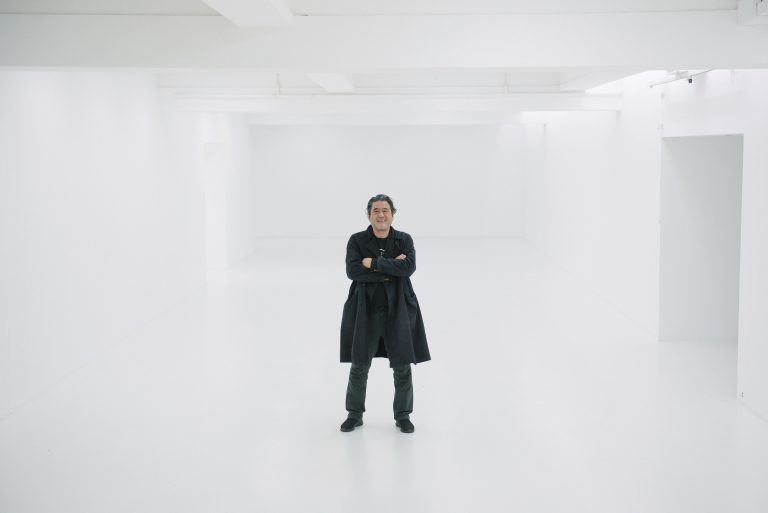
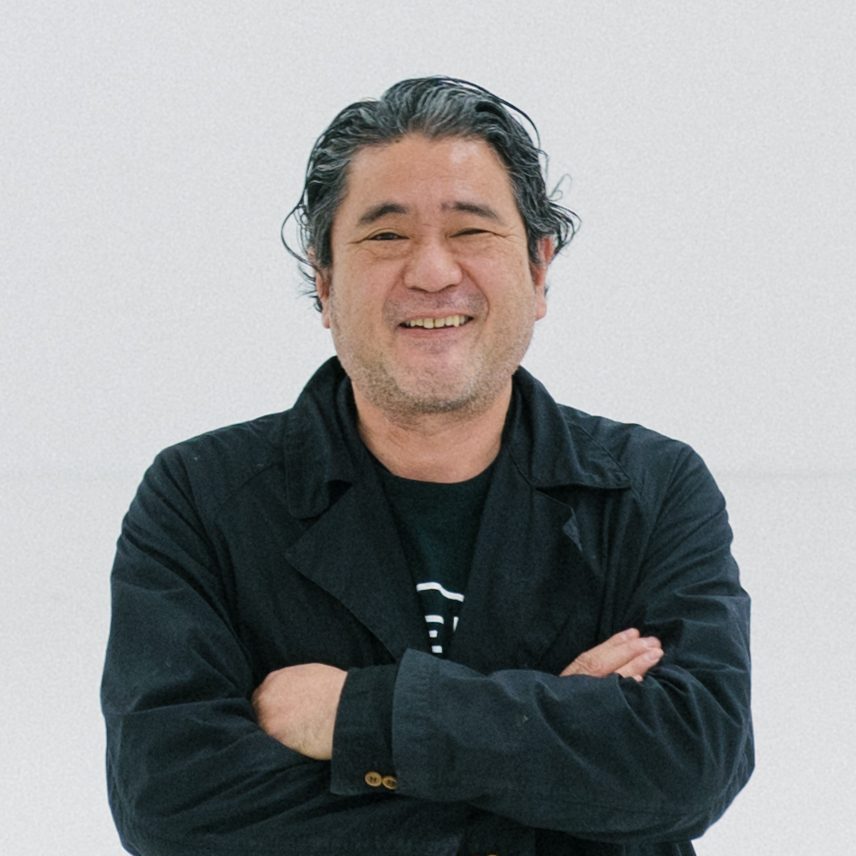
Terunobu Fujimori, Architectural historian and architect (Doctor of Engineering); Director, Edo-Tokyo Museum

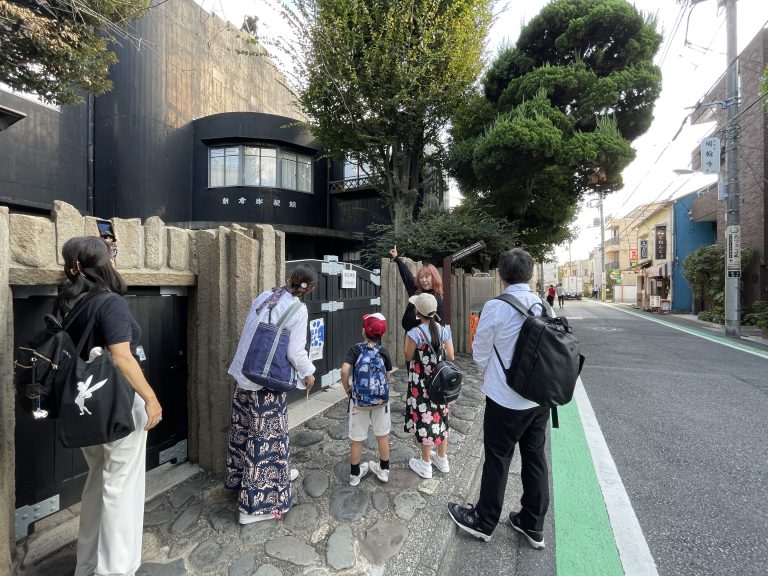
Join us on a guided sanpo (stroll) through the neighborhoods of Kanda-Sudacho, Iwamotocho, Higashi-Kanda, and Bakurocho—areas where rare examples of Tokyo’s wooden architecture still remain. This walking tour will take you through the streetscapes of these historic districts, with stops at three wooden buildings that will serve as key venues for Tokyo Biennale 2025.

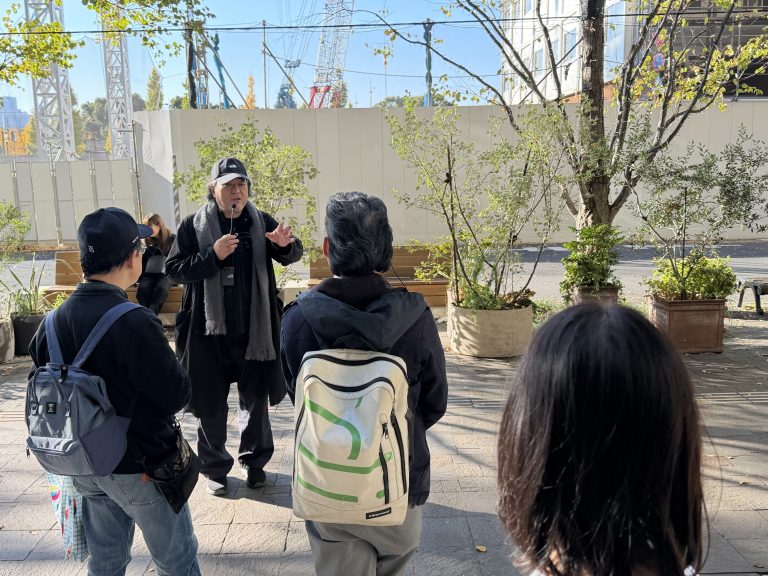
The tour begins with a special talk by architectural historian Terunobu Fujimori, who will introduce the history and significance of Kanban Kenchiku—a unique style of wooden architecture characterized by decorative facades.

The sanpo will be led by Masato Nakamura, an artist and General Producer of Tokyo Biennale 2025, who will guide participants through the route and share his perspectives on Tokyo’s urban fabric and the role of wooden architecture within it.

Artists

Related exhibition

  • Installation
  • Sculpture-object

Juri Akiyama: Isle Afloat in Current

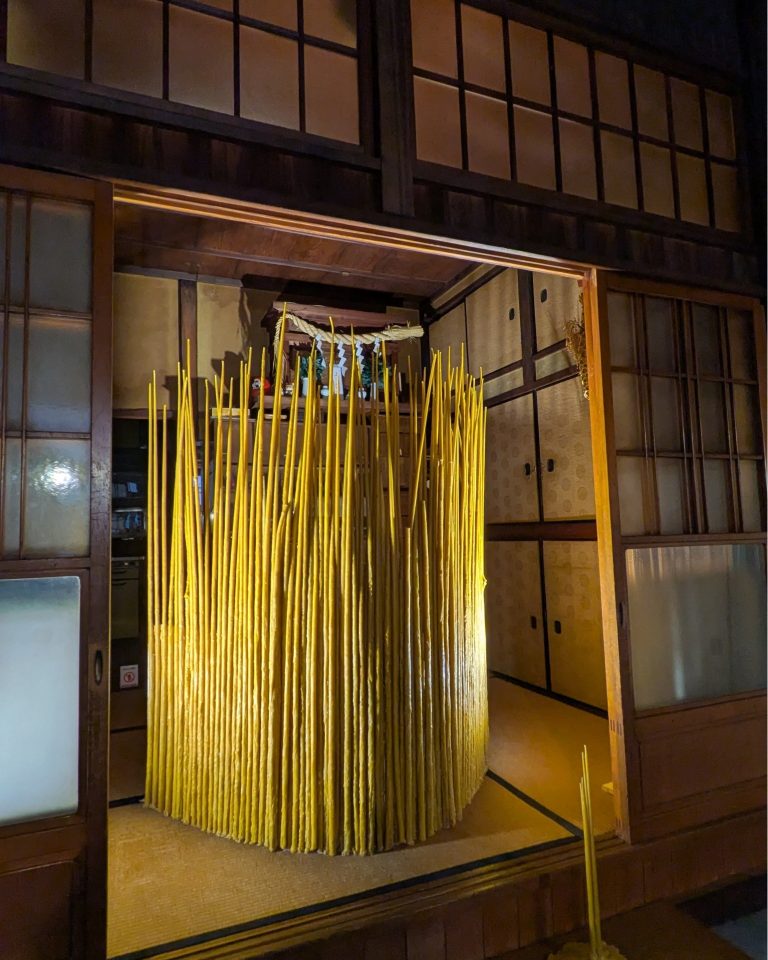
Juri Akiyama creates works that traverse painting and sculpture, using beeswax as her primary material while engaging with its historical, cultural, and philosophical background. For the festival, she takes on an exhibition that responds to a site’s history through the billboard architecture of Kakuchi Konpo, notable for its striking mortar decoration. After the Great Kanto Earthquake, artist Tomoyoshi Murayama discovered a space for avant-garde ornamentation in the makeshift shacks that emerged in Tokyo. During the reconstruction period, wooden buildings appeared with their facades covered in non-combustible materials like copper plates, mortar, and tiles, featuring a variety of decoration. Years later, architectural historian Terunobu Fujimori named these buildings “billboard architecture.” These appear to have inherited the generous ornamentation and modest quality of the shacks. After that, Tokyo was reduced to a wasteland again by war, and following soaring land prices, buildings have now come to be regarded as mere “superstructures” atop the land. Meanwhile, looking within the realm of buildings, art in Japanese architectural history evolved from temporary forms like folding screens and sliding door paintings to securing its own domain through the creation of the tokonoma alcove. “Temporary, Permanent, Foundation.” For this exhibition, Akiyama expresses this fluid or creative relationship using beeswax, a material long symbolic of superficiality and impermanence. The venue is both a precious surviving example of billboard architecture and a space that once embodied the ambiguous boundary of “preparing to depart” or “being here yet already gone,” associated with the packaging industry.     Cooperation: Kakuchi Konpo * Juri Akiyama is one of the participating artists in the Billboard Architecture Project.
Ended 10/17/2025 - 12.14 / Kakuchi Konpo
  • Sculpture-object

Gaku Kurokawa: Listening to Stone (venue 1)

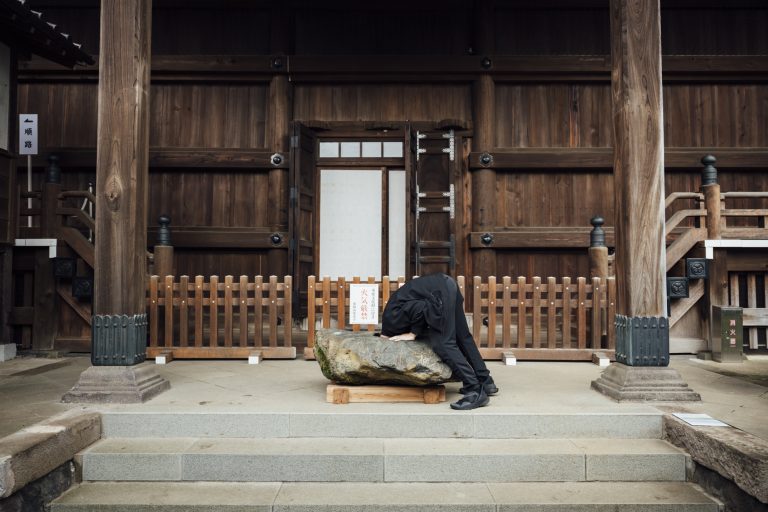
The work titled Listening to Stone, which at first glance appears to be a large stone block, involves placing your head into a hole carved into a stone to listen to the sounds produced by wind and those in the surrounding environment as they resonate within the stone. The experience will likely vary depending on where the work is placed and the circumstances surrounding it. The title of this work also evokes sculptor Isamu Noguchi’s view that when one faces a natural stone, the stone begins to speak. Meanwhile, Kurokawa is an artist who creates sculptures, performances, music, and more, focusing on the relationship between objects, environments, and the body. In this work, a sculpture—a form of art that is often only viewable from the outside—becomes an experience where viewers can enter its interior and listen intently. Moving between these two states, visitors will find a moment to reconsider the environment in which we live. For this art festival, works will be installed at two distinct locations: the grounds of Kan’ei-ji Temple and the site of a former ice shop in the heart of Kanda.   This work is also being exhibited at Kamiya Koriten, as a part of the Billboard Architecture Project. A related event, “Workshop “Percussions in the City” will also be held. The exhibition of Kurokawa’s work at Kaizan-do Ryodaishi in Kan’ei-ji Temple (a different location from the Kompon Chu-do mentioned above) has been canceled due to safety considerations.   Special Cooperation: Toeizan Kan’ei-ji Temple Cooperation: Tokyo University of the Arts
Ended 10/17/2025 - 12.14 / ①Toeizan Kan'ei-ji Temple Kompon Chu-do
  • Installation
  • Performance

Tenthaus Art Collective and the Oven Network: The House Is Bigger than It Looks

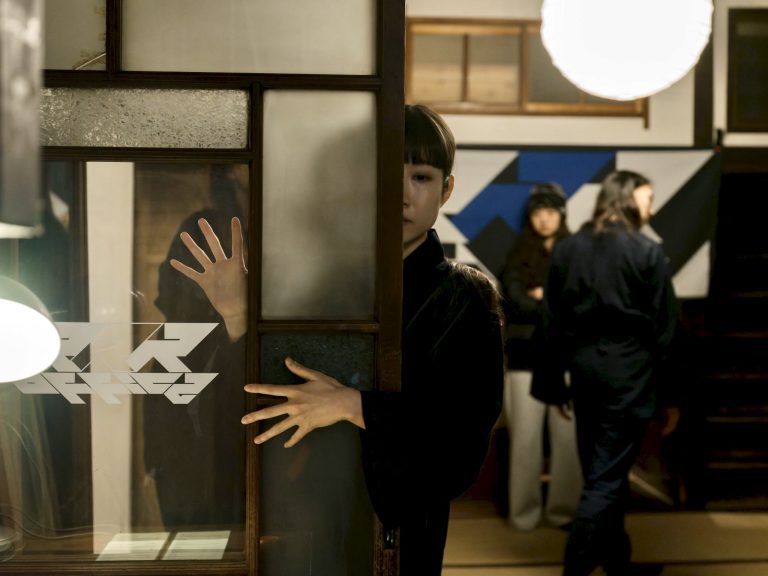
Inspired by Ebihara Shoten’s past, the project houses the concept of TRANSLOCAL. Taking place in and around Ebihara Shoten, the members of the TENTHAUS collective and their network, together with the local community, will create a space of interference with individuality and transform current challenges.   The project consists of RRR OFFICE, stands for Research, Record, and Report, a temporary, usable office-like structure; STIM – Kizuna, a site-responsive performance shaped through walking, movement, and embodied research (performers also invited to participate); and activations in the form of workshops and discursive programming.   These elements will stitch together the knowledge and experiences of the collective and the local community. Our aim is to act as an agent for transforming the future while honouring the past traditions of the neighborhood.   Supported by: Norwegian Embassy, OCA, Globus Forward Cooperation: Ebihara Shoten     RRR OFFICE A provisional office-like space for Research, Record, and Report will appear at Ebihara Shoten. It focuses on the often overlooked parts of artistic work such as administration, hosting, and process, treating them as essential cultural acts. As the projectʼs reflective core, it observes and records what happens on site, inviting visitors to join conversations, respond to questions, and contribute their own documentation or notes. These materials form a growing archive, making documentation an active part of the creative process. Additionally, The Oven Network will hold the Sub-rent Program, hosting artists and collectives from countries such as Canada, Indonesia, Norway, and Thailand. During their stay, they will interact with visitors and the local community, hold workshops, and energize Ebihara Shoten as a creative hub.   Office Opening: See “Date” section on this page   Sub-rent Program Oct 30 (Thu) – Nov 6 (Thu) Slekke Wørld (Tenthaus Art Collective, Norway) Nov 6(Thu) – 9 (Sun) Collective Collective (Art Collective, Canada) Nov 13 (Thu) – Nov 16 (Sun) Helen Eriksen (Tenthaus Art Collective, Norway),  Lily Onga (Artist, Thailand) Nov 20 (Thu) – Nov 24 (Mon) Group Exhibition “Knot | Kawaii Witches”(Artist:Bian Ka/Hyejeong Yun/Johanna Riedl、Curator:Li Jingwen (SEIBUN)) Nov 27 (Thu) – Nov 30 (Sun) Eva Moi & Anna Karin Hedberg (Tenthaus Art Collective, Norway) Dec 4 (Thu) – Dec 7 (Sun) Grafits Huru Hara (Art Collective, Indonesia) Dec 11 (Thu) – Dec 14 (Sun) Studio 150 (Art Studio, Thailand) Dec 13 (Sat) Ravn (Mike TV) (Norway) Dec 14 (Sun) Kurt Johannessen and The Stitch Sisters (Norway)   STIM – Kizuna Shafarzad Malekian and Ida Uvers will present a new performance work, “Kizuna.” Developed as a site-responsive performance in and around Ebihara Shoten in Kanda, the piece is shaped through research via bodily movement. It explores shared rhythms, presence, attentiveness, and leaves traces of the performance through video documentation. Details & Booking   Various Activations Workshops, discussion programs, and more. See “Related Event” below.
Ended 10/17/2025 - 12.14 / Ebihara Shoten

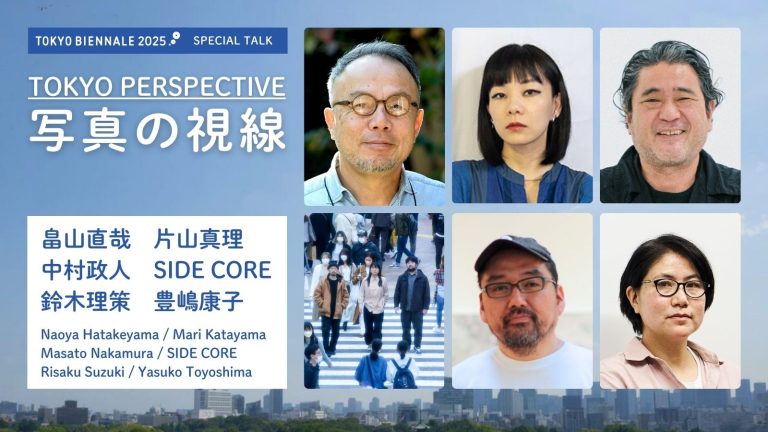
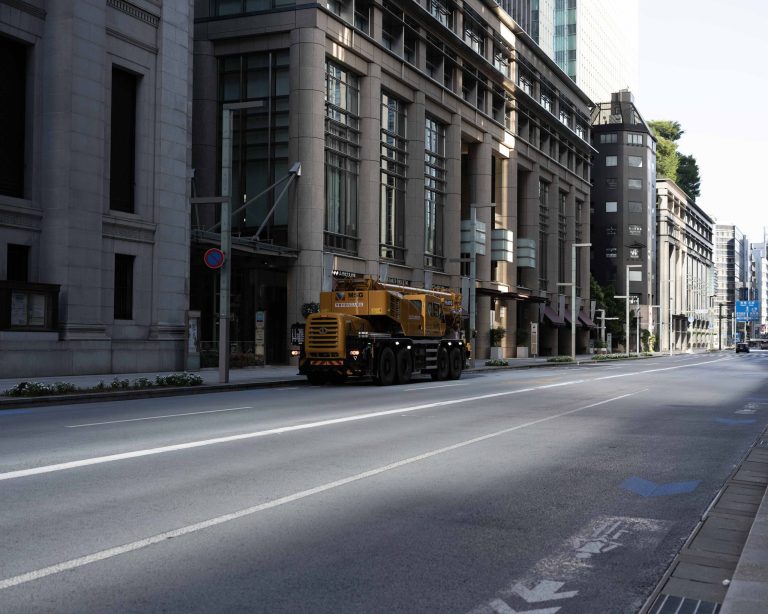
One of the artist’s works in the Photo Project “Tokyo Perspective.”
← →

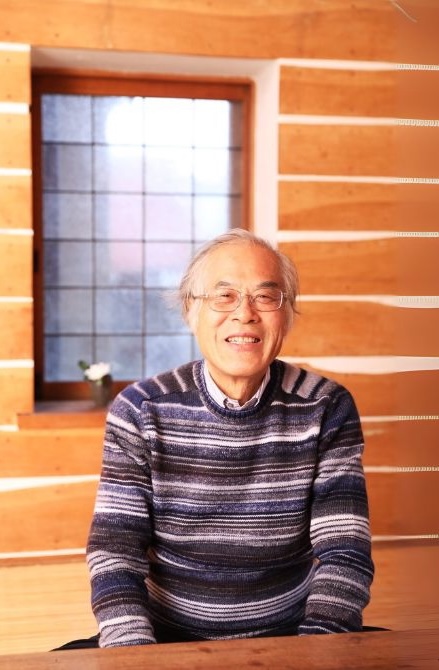
Masato Nakamura

Artist, Professor at Tokyo University of the Arts (Department of Painting). Born 1963 in Odate City, Akita, Japan. In the early 1990’s, he set up guerilla art projects –THE GINBURART in Ginza and Sinjuku Shonen Art in Shinjuku’s Kabukicho district (1993). In 1997, he formed an alternative artist initiative called “commandN.” Activities of this group include the international video installation “Akihabara TV” held multiple years in 1999, 2000, and 2002. His work was displayed in the 49th Venice Biennale (2001) Japan Pavilion First & Slow exhibition.

From 2004, he founded a number of art projects including himming in Himi (Toyama Pref.) and ZERODATE in Odate (Akita Pref.) Nakamura then founded 3331 Arts Chiyoda in June 2010 as an independent and sustainable art center. With an extensive background in a variety of expressive activities, starting in summer 2020 he is taking on the challenge of developing the Tokyo Biennale, an art festival that will dig for the cultural and artistic resources underlying the city of Tokyo.

Nihonbashi/Bakurocho Area

Etoile Kaito Living Bldg.